
The modern gaming floor looks a fair bit different to what your old man would have recognised back in the day. Screens are bigger, animations run smoother, and the way wins stack up has shifted from the old-school paylines to something far more visual. Cluster pays poker machines have become one of the most talked-about formats in local parlours, and for good reason. They reward groups of matching symbols that sit side-by-side or touch diagonally, rather than forcing your spin down a straight line. That means a win can pop anywhere on the grid, which keeps the eye moving and the session feeling fresh.
For players who have spent years chasing line hits on traditional reels, the switch to cluster-based layouts can feel like learning a new trick. The mechanics are straightforward once you see them in action, but the pace and the payout patterns demand a different kind of attention. We have tracked how these games land in Australian venues, what the rules say about them, and how they stack up against the setups overseas operators have been running for years. If you are keen to see a live example of how a cluster-style grid plays out on a local site, gates-of-olympus-au.net runs a clean demo that shows the grouping logic in real time.
How clustering actually works on the screen
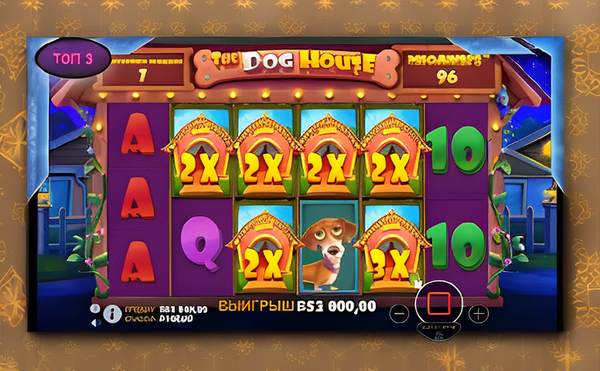
The core idea is simple enough: you spin a grid of symbols, and any cluster of matching icons that touch each other triggers a payout. The size of the cluster usually dictates the prize, with larger groups handing out bigger returns. Most titles use a rectangular or hexagonal grid, and the symbols drop in from the top like a light version of a cascade game. When a cluster pays out, those symbols often clear from the board, new icons rain down, and the grid resets for another potential hit.gates-of-olympus-au.net
That chain reaction is where the format earns its keep. A single spin can set off a sequence of clears, and the visual feedback keeps you locked in without needing a long list of paylines to track. The math behind it is a bit different from the old fruit machines, because the game has to calculate every connected group on the board rather than checking a fixed set of lines. Developers handle that with built-in algorithms that scan the grid after each drop, which is why the animations and the payout messages feel so quick on modern screens.
Why Aussie parlours are leaning into the format
Down here, the shift toward cluster-based titles has been gradual but steady. Local operators want games that hold attention across a busy session, and the visual style of these grids fits the modern lounge better than a wall of static reels. You will find them in big venues across Sydney and Melbourne, often placed near the high-traffic zones where players like to test a few spins between drinks. The format also travels well to mobile, which matters when a fair chunk of your regulars are spinning on their phones during the commute.
The local market has its own quirks, too. Australian players tend to prefer games that feel lively and offer frequent small wins to keep the balance ticking over, and cluster layouts can deliver that rhythm without relying on massive jackpots every second spin. Venue managers like the turnover potential, while players appreciate that the wins feel earned on the screen rather than buried in a paytable they have to cross-reference. It is a different vibe to the old school, but it has clearly found a home on our floors.
What the rules say about these setups
The legal side of things is worth keeping in mind, especially when a new format lands in a regulated market. Australia treats electronic gaming machines under state and territory legislation, and each jurisdiction sets its own rules around game approval, payout structures, and display requirements. A cluster-based game still needs to pass the usual checks before it can run in a licensed venue, which means the math model, the random number generator, and the on-screen payout information all go through scrutiny.
That process is not unique to our corner of the world, but the local paperwork can be particular. Operators have to make sure the game displays clear information about how wins are calculated, and any promotional material needs to line up with what the machine actually does. If you в официальных материалах компании want to see how seriously some outlets take the transparency side of the business, the ABC’s Four Corners team has run detailed investigations into the gaming industry that are worth a look at abc.net.au/4corners/. The broader point is that a flashy grid still has to play by the same responsible gambling and disclosure rules as the old reels.
How the overseas markets handle similar games
Over in the United Kingdom, cluster-style titles have been circulating in online rooms for a while, and the regulatory approach there gives you a decent comparison point. The UK Gambling Commission keeps a close eye on game fairness and advertising, and operators have to show that their math models are tested and that players get clear information about volatility and return-to-player figures. That environment has pushed developers to be a bit more upfront about how often clusters form and what kind of bankroll a session might chew through.
Europe and New Zealand sit somewhere in the middle, with their own approval processes and player-protection expectations. In the United States, the landscape is more fragmented because each state sets its own rules, and some markets have been slower to approve non-traditional payout structures. The practical upshot for an Aussie player is that the cluster format is not some rogue invention; it is a well-trodden design that has been stress-tested in other regulated markets. The difference is that our local venues and licensed online operators have to map those mechanics onto Australian disclosure standards and state-based approval rules.
What players should watch for before they spin
The main thing to get your head around is volatility. Cluster-based games can be built to pay smaller groups frequently or to hold back for larger clusters that clear less often, and that choice shapes the whole session. A high-volatility title might sit quiet for a stretch before handing out a big clear, while a lower-volatility setup keeps the wins coming in smaller bursts. Neither approach is inherently better; it just depends on the sort of pace you want and the size of the bankroll you are working with.
It also pays to read the on-screen info before you commit. The paytable or info screen usually explains how clusters are counted, whether multipliers apply, and what triggers any bonus features. If a game uses a cascade or a gravity drop, the rules around chain reactions and special symbols should be spelled out clearly. Take a minute to check that stuff, because jumping straight in with no idea of how the grid clears can turn a relaxed session into a fast drain.
How to keep the session under control
Responsible gambling is the bit that gets buried when everyone is talking about flashy mechanics, but it is the part that actually matters most. Cluster layouts are designed to be engaging, and that engagement can make time slip by quicker than you expect. Setting a limit before you start, whether that is a time cap or a loss limit, is the simplest way to keep the session in check. Some venues and online operators offer tools that let you set those boundaries in advance, and there is no shame in using them.
Players need to recognize how easily immersion can blur the line between entertainment and expenditure. That is why independent investigations into industry practices are so vital for public awareness. You can read more about these concerns in a recent Four Corners report.
If you are playing in a lounge, the old trick of taking a break after a big win or a long losing run still works. Step outside, grab a water, and have a look at the room rather than the screen. The format is built to keep your eyes on the grid, so you have to make a conscious effort to step back now and then. The same idea applies online, where the lack of a bartender or a mate to tap you on the shoulder means you have to be your own checkpoint.
Where the format is heading next
Developers are already tinkering with ways to make cluster grids feel fresh without losing the core idea. Some titles layer in bonus rounds that reward particular cluster shapes, while others mix in special symbols that shift the way groups form. The trend is toward more interaction on the board, which keeps the game from feeling like a static pattern-matching exercise. That matters for venues because a game that holds attention without relying on heavy promotions tends to run better over a long session.Dmarge
The local scene will probably keep absorbing these titles as they clear approval and prove they fit the Aussie pace. You can already spot the influence in newer releases that blend cluster logic with classic themes, and that mix tends to land well with players who want something familiar but a bit more lively. If you follow the industry commentary, sites like dmarge.com often cover the lifestyle and entertainment side of the gaming world, which gives you a sense of how these machines fit into the broader venue experience rather than just the math on the screen.
How the leaders stack up on the local market
When you compare the operators pushing these formats, it helps to look at who is actually bringing the games to Aussie players and how they handle the surrounding service. Joe Fortune has been one of the leaders of the Australian market in the comparison table, and that positioning matters because it shows how a local-facing operator balances game variety with the practical stuff like account setup, support, and clear terms. The point is not just which title looks flashiest, but which platform makes the whole experience straightforward and easy to track.
A decent comparison looks at a few things side by side: how quickly a new game lands, whether the payout information is easy to find, how the mobile layout handles a cluster grid, and what support looks like if you need a hand. International operators often lean on big game libraries and polished interfaces, while local-facing services tend to focus on familiar payment options and support that actually understands the Aussie context. The cluster format itself plays the same way regardless of who serves it up, but the surrounding setup can make the difference between a session that feels smooth and one that feels fiddly.
If you are weighing up where to try a cluster-based title, start with the basics that actually affect your day-to-day experience. Check that the game info is easy to read, that the limits and tools are visible before you spin, and that the platform has a track record of keeping things transparent. The right choice is the one that lets you enjoy the grid without having to hunt for the fine print, and that is the standard worth holding out for.